
September 27, 2024
The Impact of Hurricane Helene on North East Tennessee and Western North Carolina.
The Impact of Hurricane Helene on North East Tennessee and Western North Carolina.
Hurricane Helene has etched its name in history as the strongest hurricane to strike the Florida panhandle. Tragically, it has also become the deadliest hurricane in the United States since Hurricane Katrina in 2005, with a current death toll exceeding 160, and many individuals still unaccounted for.
Why Was This Region So Severely Affected?
In the lead-up to Hurricane Helene, the region was already saturated with rain, experiencing 7 to 11 inches just a week prior to the hurricane’s arrival. This saturation filled ponds and streams, creating a precarious situation.
As Hurricane Helene made landfall, it swept through the Florida panhandle, moved rapidly through Georgia, and then slowed dramatically over North Carolina and East Tennessee—areas where many of us live.
The Science Behind the Stall
The unusual stall of the hurricane can be attributed to atmospheric pressure conditions. This led to staggering rainfall totals of 20 to over 30 inches in some areas—an estimated 40 trillion gallons of water. To put that into perspective:
- 51,000 times the capacity of the Dallas Cowboys’ stadium.
- Enough to cover the entire state of North Carolina with 3.5 feet of water.
- Equivalent to 60 million Olympic-sized swimming pools.
- 619 days of water flowing over Niagara Falls.
This unprecedented rainfall compounded the already saturated ground, creating the perfect storm for disaster.
Geography’s Role in the Flooding
The unique topography of the region played a critical role in the flooding. The southeastern slopes of western North Carolina and the northwestern slopes of East Tennessee acted as natural funnels, directing immense volumes of water into valleys, streams, and rivers.
Record-Breaking Flood Levels
The French Broad River, which typically crests at 1.5 feet, surged to 24.6 feet during the storm. Meanwhile, the Nolichuckey River reached nearly 22 feet, with the Nolichuckey River Dam experiencing an inflow of 1.2 million gallons per second—far surpassing Niagara Falls’ peak flow of 700,000 gallons per second. Fortunately, the dam held, though it sustained damage.
The Aftermath: Consequences of the Flooding
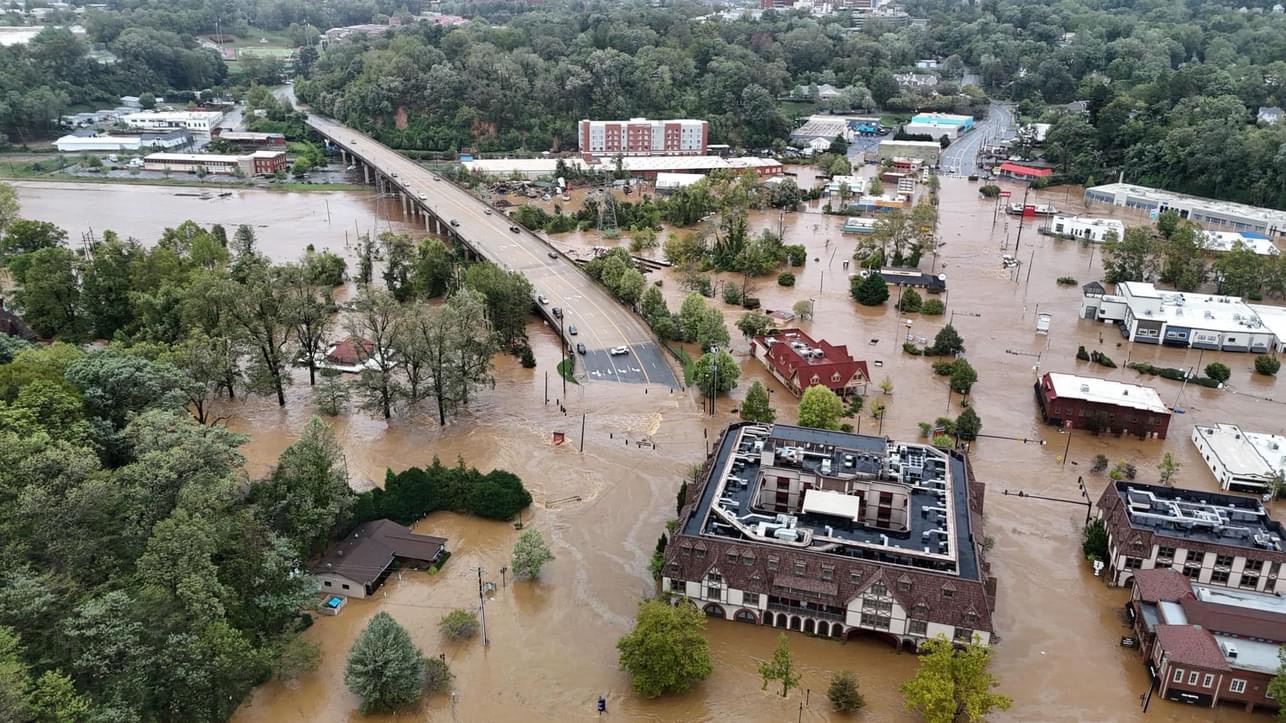
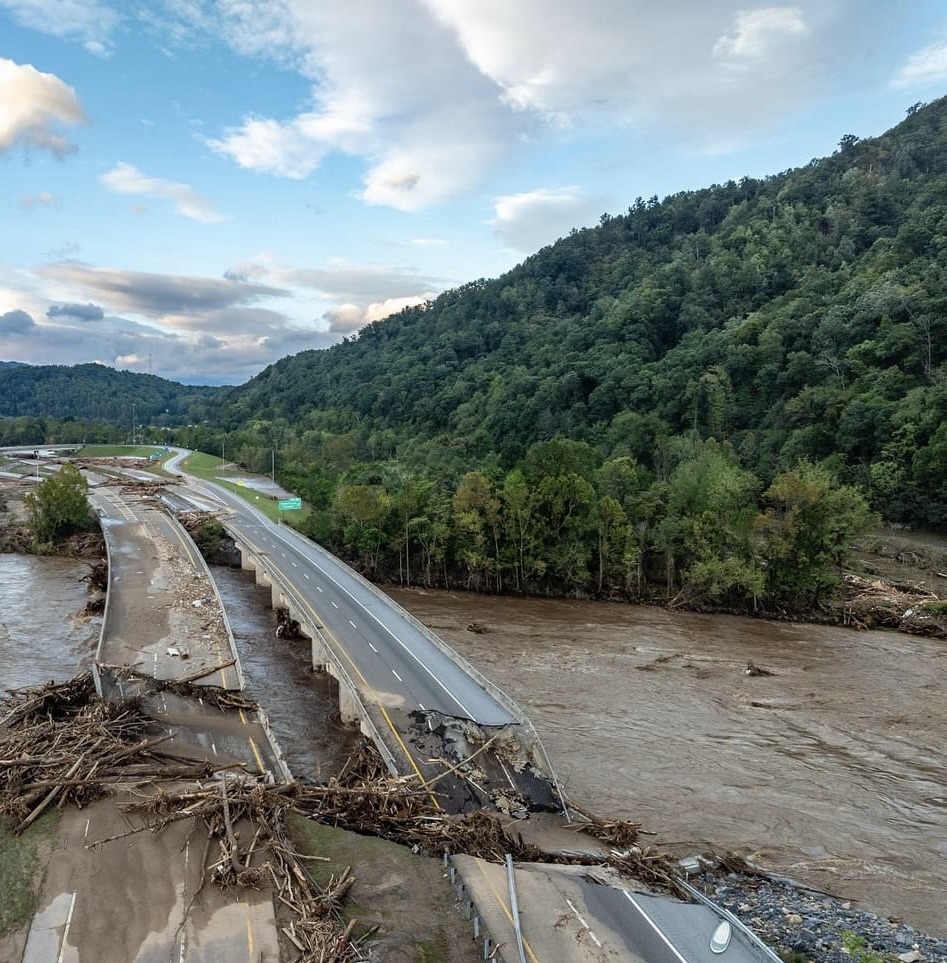
The flooding brought destruction on an unimaginable scale, devastating homes, businesses, roads, and bridges, while also knocking out power. Many communities were cut off from emergency rescue and evacuation efforts for days.
In Greene County, the flooding destroyed the intake pump for the primary water supply, leaving residents without clean drinking water, sanitation, or means for bathing. Many have lost everything they owned, with some individuals receiving care in the emergency department after their homes were washed away.
A Unique and Unforeseen Challenge
Most residents of the mountains of North Carolina and East Tennessee were unprepared for such a disaster. Just as someone in Iowa wouldn’t prepare for a tidal wave, communities here don’t typically brace for hurricanes. The combination of pre-existing saturated ground, the unprecedented rainfall from the hurricane, and the region’s geography created a perfect storm of conditions that led to this disaster.
In summary, this calamity was beyond the realm of prevention or preparation. The effects will be felt for a long time, and recovery will require substantial efforts from individuals, communities, and aid organizations.
Ways You Can Make a Difference
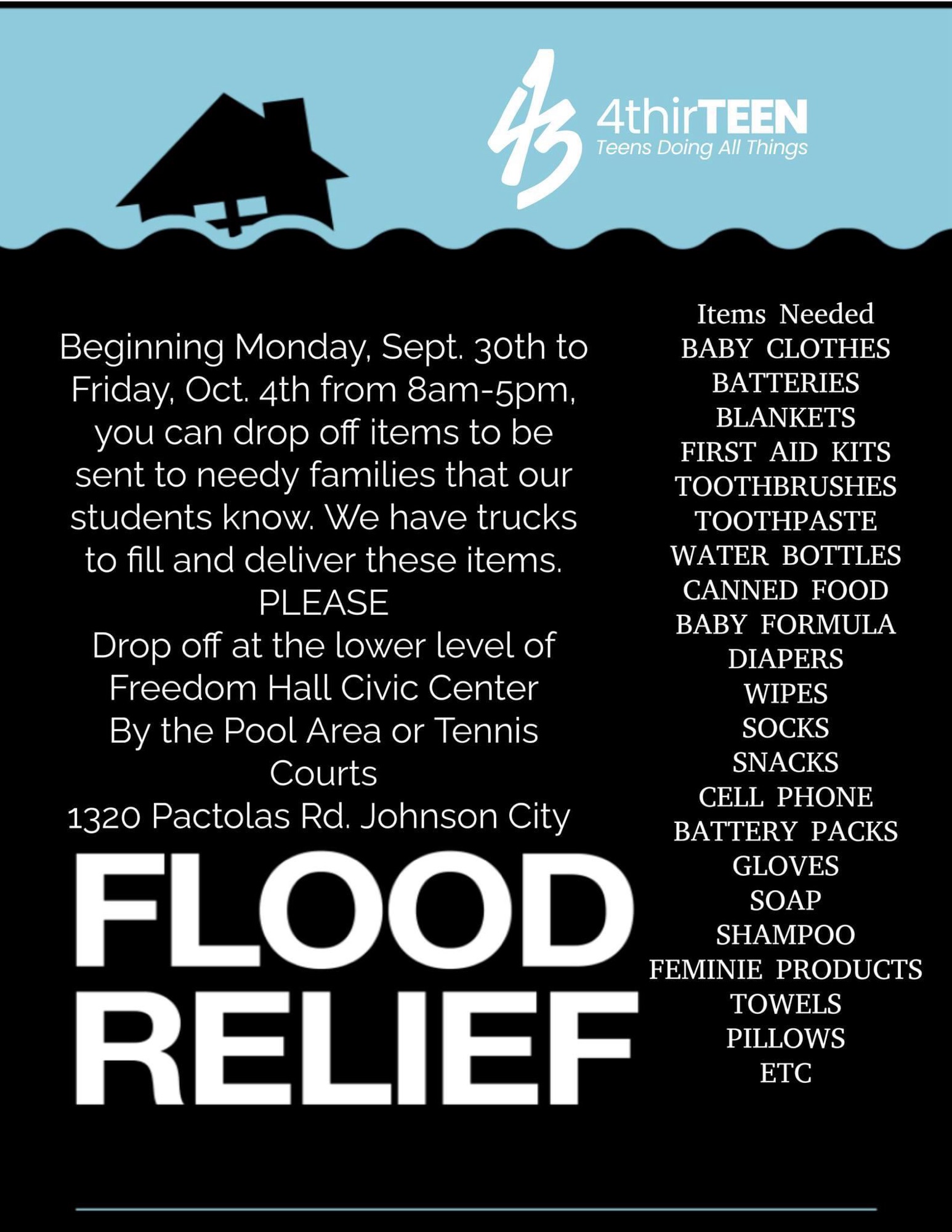
I have created an Amazon Wish List that includes critical items needed to help those affected by the storm begin recovery.
 Gilmore Giving Tree
You must be logged in to post a comment.